Do you know that a PEP is an Environmental Product Declaration – an EPD – for electrical products?
An Environmental Product Declaration – or EPD – is a standardized, fact based document that reports a product’s environmental impacts across its life cycle – from raw materials and manufacturing, through use, to end of life.
A PEP is an EPD used specifically for electrical equipment and electrical products.
It complies with the requirements of IEC EN 63366 and EN 15804:A2, the key standards that govern how EPDs are developed and reported.
How to read it?
When you use a PEP – just like any EPD – focus on three main things: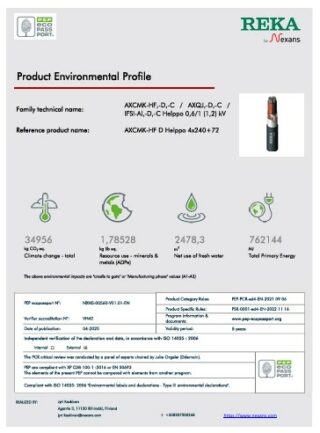
- Product description – to know exactly what is being assessed.
- Life cycle stages – where the main impacts occur, for example in raw materials, installation, use or end of life.
- Key environmental indicators – of which carbon footprint is the most commonly used, usually shown in kg CO₂ eq. For the carbon footprint of cables, the most significant life cycle stages are the manufacturing phase (A1–A3) and the use phase B6, where in the latter the carbon footprint is driven by electricity transmission losses.
PEP = EPD
PEPs follow the same principles as all EPDs based on ISO 14025:
- a life cycle assessment using defined Product Category Rules,
- independent third party verification, and
- standardized environmental indicators.
This means the data is consistent and transparent. – however, please note that all EPDs are only directly comparable when the underlying standards, rules, scope and assumptions are aligned.
Why EPDs are important?
Our PEPs – our EPDs for electrical products – provide robust, third party verified environmental data to support your sustainability reporting, procurement decisions and decarbonization targets.
***

PEP ecopassport logo
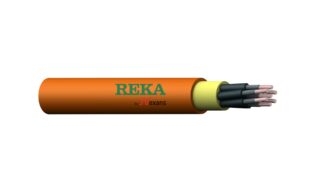
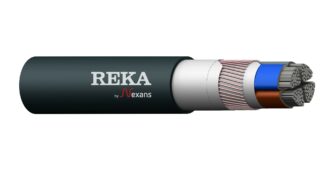
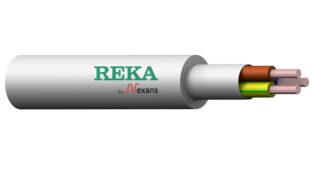
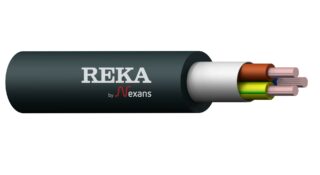
Selected examples of our products with a PEP (EPD)
The PEP ecopassport logo makes it easy to find all our products with a PEP life cycle assessment.